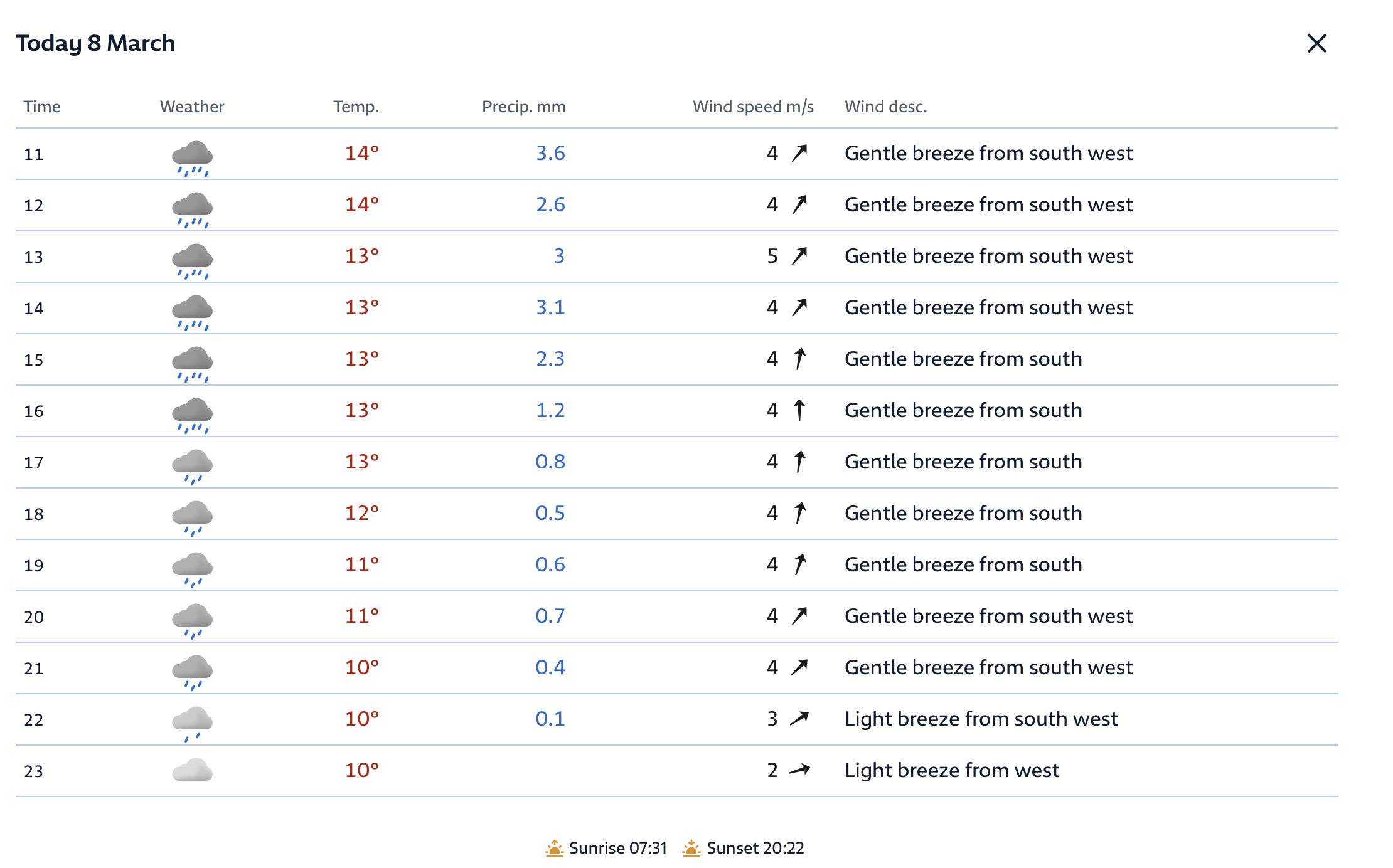
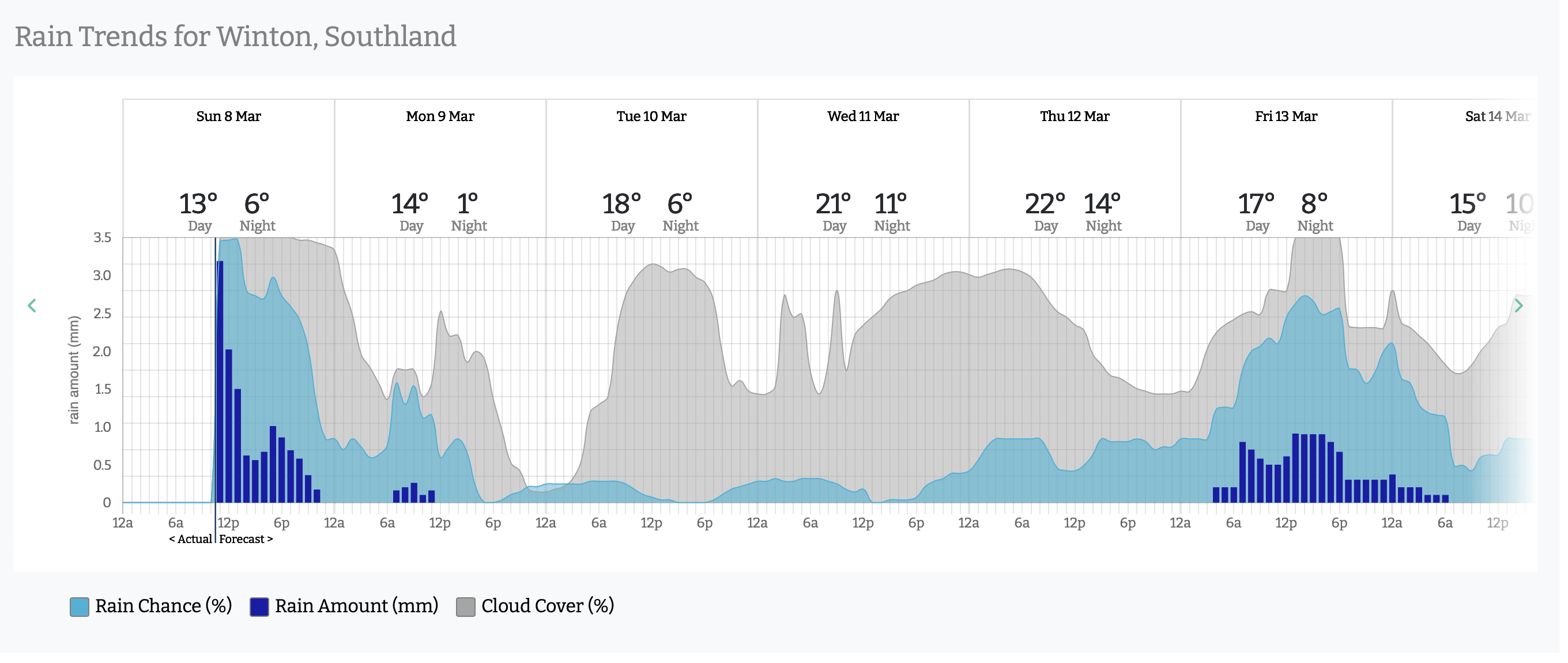
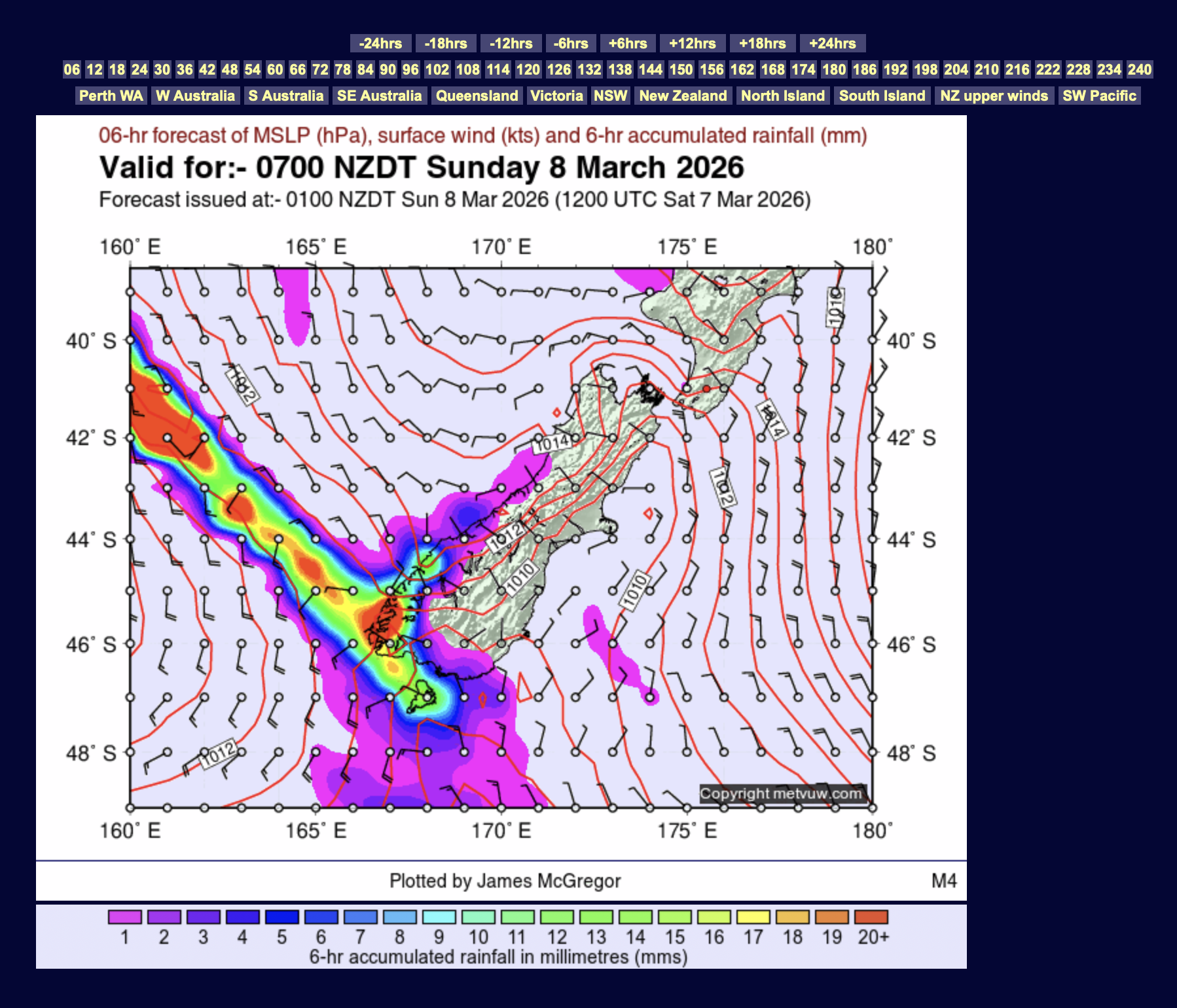

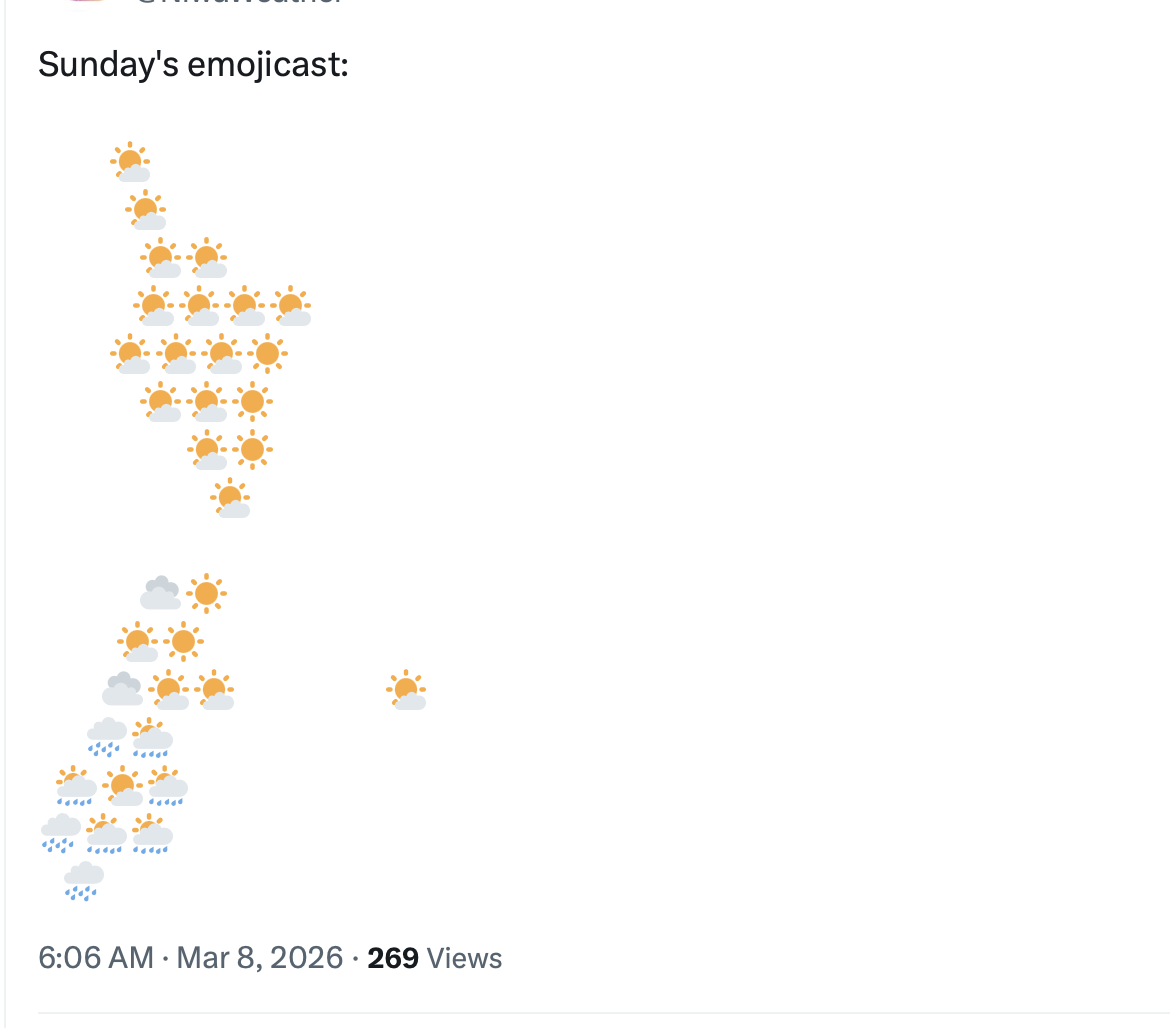
I bet your veggie plants are chanting Hallelujah in thanks for the wonderful rain.
That thought led me down the Leonard Cohen Hallelujah online rabbit hole.
This is what I learned from our pal Claude.ai this morning.
https://claude.ai/share/a406752f-2af7-401b-bfb4-d0334187bace
________________________________________________________
Video URLs
Leonard Cohen – Hallelujah (Official Audio) – YouTube
K.D. Lang sings Leonard Cohen’s Hallelujah – YouTube
John Cale – Hallelujah (Lyrics) (best version) – YouTube
Jeff Buckley – Grace Album
Jeff Buckley – Hallelujah (Official Video – Live at Bearsville) – YouTube
Shrek – Rufus Wainwright
Lindsey Stirling – Hallelujah #aSaviorIsBorn – YouTube
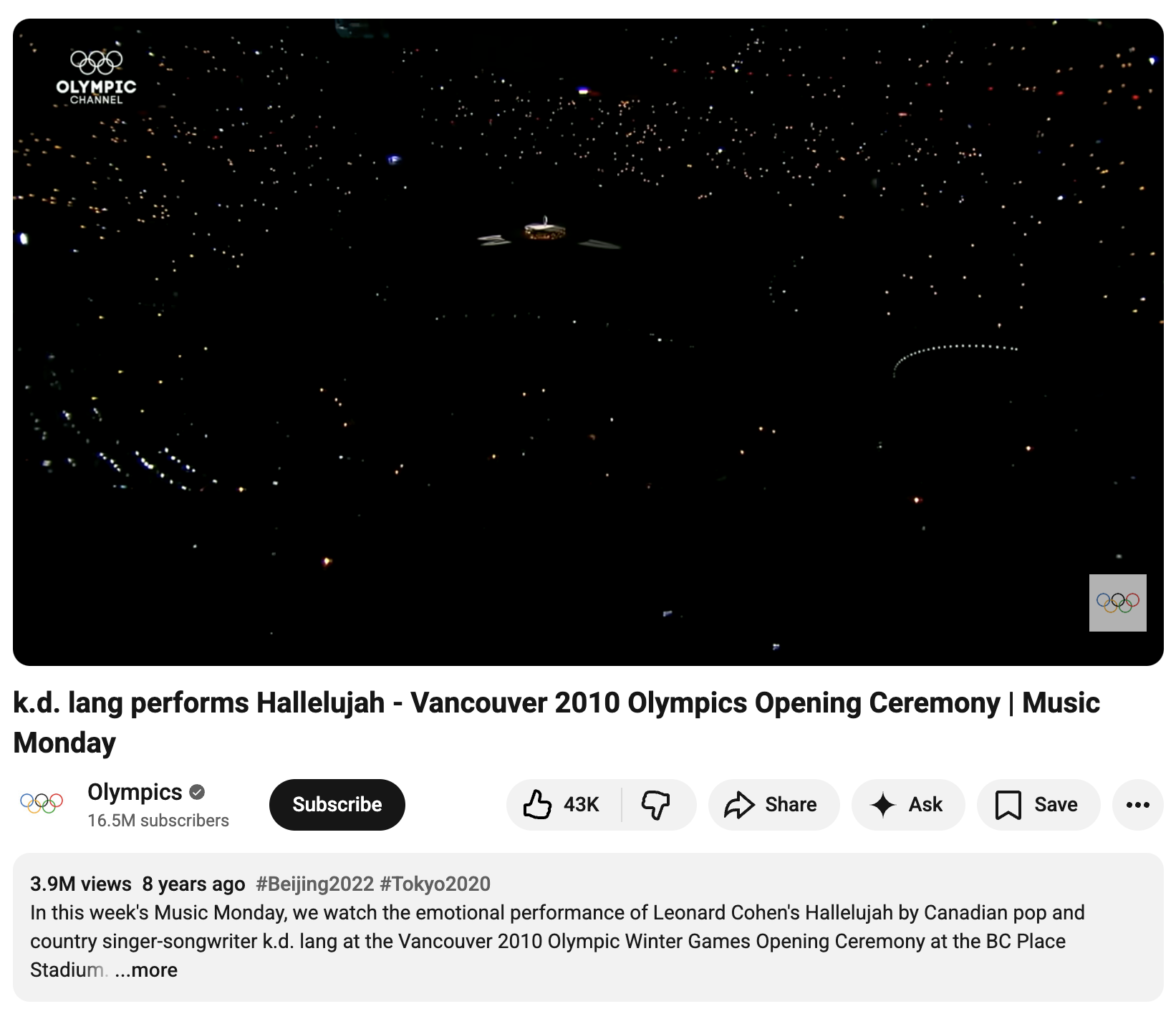
k.d. lang (2004, 2010 Olympics) — Stunning vocal performance, widely praised as one of the best live renditions ever recorded.
k.d. lang performs Hallelujah – Vancouver 2010 Olympics Opening Ceremony | Music Monday – YouTube
_____________________________________________________________________________
Here are some of the most celebrated renditions of “Hallelujah”:
The Definitive Versions
John Cale (1991) — Often considered the gold standard cover. Cale got the full lyrics from Cohen and created the sparse, reverent piano arrangement that most later covers are based on. This is the template.
Jeff Buckley (1994) — From his album Grace, this is probably the most famous version. Buckley’s ethereal falsetto and the slow-burn guitar arrangement made it iconic. Many people don’t realize it’s a cover at all.
Leonard Cohen himself (1984, Various Positions) — The original, and worth revisiting. Cohen’s deep, deadpan delivery gives it a dry, almost ironic gravitas that no one else captures.
Highly Regarded Covers
- k.d. lang (2004, 2010 Olympics) — Stunning vocal performance, widely praised as one of the best live renditions ever recorded.
- Rufus Wainwright (2001) — Featured in Shrek, which introduced the song to a massive new audience. Clean and lovely.
- Brandi Carlile — Her live versions show off her powerful voice beautifully.
Interesting/Notable Takes
- Bob Dylan — Has performed it live; raw and grizzled in a fascinating way.
- Pentatonix — A cappella arrangement that’s impressively constructed.
Skip or Approach with Care
The song has been covered thousands of times, and many versions (talent show performances, etc.) lean heavily on vocal gymnastics over emotional restraint — which tends to miss what makes the song work.
If you only listen to two, make it John Cale for the blueprint and Jeff Buckley for the transcendence.
________________________________________________________
I was able to find confirmed YouTube URLs for some of these. However, I want to be upfront: I can only share links I’ve found through search results — I’m not able to verify every URL is still live without fetching each one, and YouTube links can change or be taken down. Here are the ones I found referenced in sources:
Confirmed from search results:
- Jeff Buckley – https://www.youtube.com/watch?v=y8AWFf7EAc4 (Official Video)
- k.d. lang – https://www.youtube.com/watch?v=P_NpxTWbovE (referenced in Wikipedia citations)
You’ll need to search YouTube directly for:
- Leonard Cohen – search “Leonard Cohen Hallelujah official” — his official channel (LeonardCohenVEVO) has it
- John Cale – search “John Cale Hallelujah” — the music video directed by Abby Portner is on YouTube
- Rufus Wainwright – search “Rufus Wainwright Hallelujah”
- Brandi Carlile – search “Brandi Carlile Hallelujah Colorado Symphony”
The k.d. lang 2010 Olympics performance in particular is stunning and widely available — searching “kd lang Hallelujah 2010 Olympics” will bring it right up.
Possom listed the video URLs at the top of this www page.
________________________________________________________
Leonard Cohen’s “Hallelujah” — Lyrical Analysis
The Central Idea
The song’s genius is its collision of the sacred and the profane. Cohen takes “Hallelujah” — a word of pure religious praise — and drags it through heartbreak, lust, failure, and doubt, asking: can the word still mean something after all that? His answer, ultimately, is yes — but in a completely transformed way.
Verse by Verse
Verse 1 — The Musical/Spiritual Opening
“Now I’ve heard there was a secret chord / That David played and it pleased the Lord”
Cohen opens with King David — poet, musician, and deeply flawed man — as his avatar. The “secret chord” is the idea that music can access something transcendent and holy. But then immediately:
“But you don’t really care for music, do ya?”
The divine crashes into the mundane. God (or a lover, or both) is indifferent. The chord progression he then describes — “the fourth, the fifth, the minor fall, the major lift” — is actually a real description of the song’s own structure. Cohen is being self-referential, almost winking: this is the secret chord. Music itself is the hallelujah.
Verse 2 — Samson and Bathsheba
“Your faith was strong but you needed proof / You saw her bathing on the roof”
This merges two Biblical stories: David watching Bathsheba bathe (and being overcome with desire, leading to sin) and Samson and Delilah (“she cut your hair”). Both are stories of powerful, faithful men destroyed by desire for a woman.
“She tied you to a kitchen chair / She broke your throne and she cut your hair”
The “kitchen chair” is brilliant — it brings the ancient myth into a painfully ordinary domestic space. Sacred power (throne, hair as strength) undone in the most mundane setting imaginable.
“And from your lips she drew the Hallelujah”
Here, “Hallelujah” becomes something ambiguous — a cry of ecstasy, of surrender, of ruin. Sexual and spiritual at once.
Verse 3 — Defending Imperfect Praise
“You say I took the name in vain / I don’t even know the name”
Cohen directly addresses religious critics — those who say his broken, sexualized use of “Hallelujah” is blasphemy. His response is almost agnostic: I don’t even know what God is. But then:
“There’s a blaze of light in every word / It doesn’t matter which you heard / The holy or the broken Hallelujah”
This is the philosophical heart of the song. Cohen argues that brokenness doesn’t disqualify praise — the word carries light whether spoken in a cathedral or sobbed after a betrayal. The “broken Hallelujah” is just as valid as the holy one.
Verse 4 — Personal Confession and Surrender
“I did my best, it wasn’t much / I couldn’t feel, so I tried to touch”
Cohen steps out of myth entirely and speaks as himself — exhausted, emotionally numb, trying anyway. This is devastating in its plainness after all the Biblical grandeur.
“And even though it all went wrong / I’ll stand before the lord of song / With nothing on my tongue but Hallelujah”
The ending reframes everything. “The lord of song” is ambiguous — God, or music itself as a kind of deity. The “Hallelujah” here is not triumph. It’s acceptance. It’s what’s left when everything else has been stripped away. Not joy, not despair — just the word itself, still standing.
Key Themes
| Theme | How it appears |
|---|---|
| Sacred vs. profane | Biblical imagery mixed with lust, failure, domestic life |
| Music as prayer | The chord structure itself described as holy |
| Brokenness as valid | “The holy or the broken Hallelujah” |
| Male vulnerability | David, Samson — strong men undone by love |
| Surrender | Not defeat, but a kind of grace in giving up |
Why the Repetition of “Hallelujah” Works
The word is repeated so many times at the end that it empties out and refills with new meaning simultaneously. It becomes a kind of mantra — beyond semantic content, just sound and breath and feeling. Cohen has said he wrote dozens of verses for this song over many years. The chorus isn’t a refrain so much as a destination the verses keep arriving at from different angles.
The Bigger Picture
What Cohen achieved is rare: a song about the persistence of praise despite everything — lost faith, lost love, aging, failure. The “Hallelujah” at the end isn’t the triumphant shout of someone who has won. It’s the quiet word of someone who has lost almost everything and found that the word still means something. That’s why it resonates so universally and why it survives so many different interpretations.
_________________________________________________________
Lyrics:
Now I’ve heard there was a secret chord
That David played and it pleased the Lord
But you don’t really care for music, do ya?
It goes like this, the fourth, the fifth
The minor fall, the major lift
The baffled king composing “Hallelujah”
Hallelujah, Hallelujah
Hallelujah, Hallelujah
Your faith was strong, but you needed proof
You saw her bathing on the roof
Her beauty in the moonlight overthrew ya
She tied you to a kitchen chair
She broke your throne and she cut your hair
And from your lips she drew the Hallelujah
Hallelujah, Hallelujah
Hallelujah, Hallelujah
You say I took the name in vain
I don’t even know the name
But if I did, well, really, what’s it to ya?
There’s a blaze of light in every word
It doesn’t matter which you heard
The holy or the broken Hallelujah
Hallelujah, Hallelujah
Hallelujah, Hallelujah
I did my best, it wasn’t much
I couldn’t feel, so I tried to touch
I’ve told the truth, I didn’t come to fool ya
And even though it all went wrong
I’ll stand before the lord of song
With nothing on my tongue but hallelujah
Hallelujah, Hallelujah
Hallelujah, Hallelujah
Hallelujah, Hallelujah
Hallelujah, Hallelujah
Hallelujah, Hallelujah
Hallelujah, Hallelujah
Hallelujah, Hallelujah
Hallelujah, Hallelujah
Hallelujah, Hallelujah
Hallelujah, Hallelujah
End.
 possomcohen.com
Leave a comment